blog
- Home
- Blog
Flat Roof vs. Sloped Roof: What’s Best for Commercial Buildings?
- Vedder Roofing
- May 5, 2026
- no comments
Choosing between a flat roof and a sloped roof for a commercial building isn’t just about looks—it impacts cost, durability, maintenance, energy efficiency, and long-term performance. In this expanded guide, we’ll break down everything you need to know, including Florida-specific considerations, materials, costs, and expert recommendations.
“Nice to see a FAMILY OWNED and Operated company nowadays, so many companies are going private equity. Which means your paying higher rates for their overhead. The salesman Dan was very knowledgeable, and not pushy. Dan made aware of what he and his crew were going to do, and didn’t break the doing so. If you want to support small local businesses id highly recommend calling them if you find yourself in need of roof work.“
– Real Google Review by Edward M.
What Is a Flat Roof?
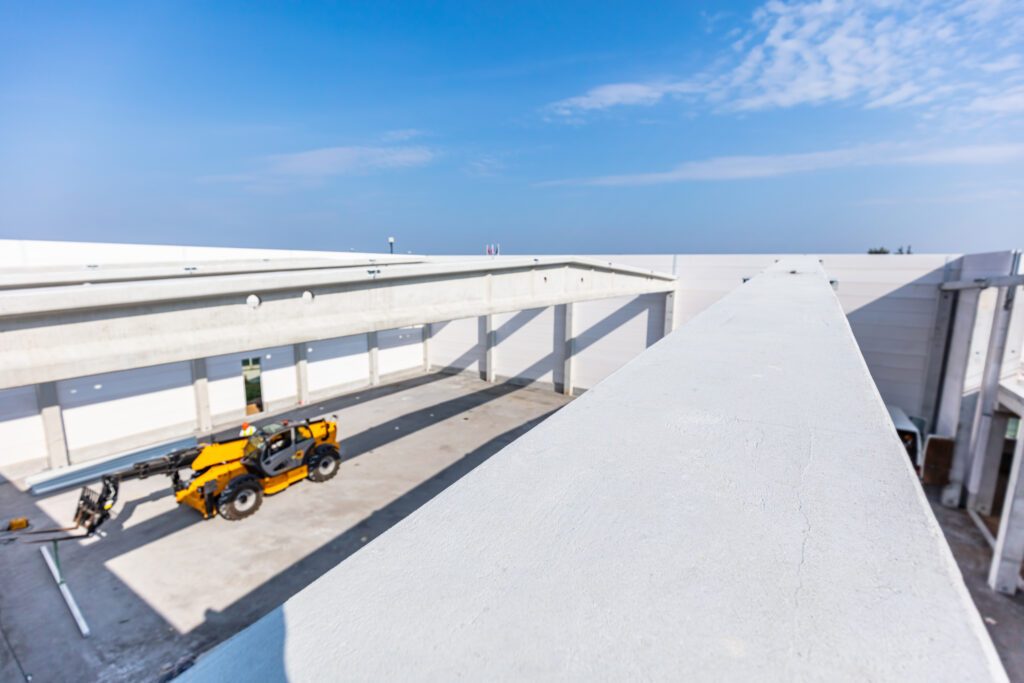
A flat roof has a low slope (usually less than 10°) and is the most common roofing system for commercial buildings.
Common Flat Roof Materials:
- TPO (Thermoplastic Polyolefin): Energy-efficient and reflective
- EPDM (Rubber roofing): Durable and cost-effective
- PVC roofing: Strong, chemical-resistant
- Modified bitumen: Multi-layer protection
What Is a Sloped Roof?
A sloped (pitched) roof has a steeper angle, allowing water and debris to naturally run off.
Common Sloped Roof Materials:
- Metal roofing (standing seam)
- Asphalt shingles
- Clay or concrete tiles
- Composite materials
Key Differences Explained in Detail
1. Installation Cost & Complexity
Flat Roofs:
Flat roofs are generally more affordable upfront, making them a popular choice for commercial buildings. They require fewer materials and have a simpler structural design, which helps reduce labor costs. Because the surface is level, installation is typically faster and more straightforward.
However, proper installation is critical. Even though they’re called “flat,” these roofs still need a slight slope for drainage, and mistakes here can lead to long-term issues.
Sloped Roofs:
Sloped roofs involve more complex framing and structural support, which increases both material and labor costs. The design requires more time to construct, especially for larger or more intricate buildings.
The added complexity can drive up the initial investment, but it often contributes to better long-term performance.
💡 Verdict: Flat roofs are more budget-friendly at the start, but sloped roofs may offer better long-term value.
2. Drainage & Water Management
Flat Roofs:
Flat roofs rely on drainage systems such as internal drains, scuppers, or gutters to move water off the surface. Without proper maintenance, these systems can clog, leading to ponding water.
Standing water is one of the biggest risks for flat roofs, as it can weaken materials over time and increase the chance of leaks.
Sloped Roofs:
Sloped roofs are designed to naturally shed water, debris, and even snow. Gravity does most of the work, which significantly reduces the risk of water accumulation.
This built-in drainage advantage makes them more reliable in areas with frequent or heavy rainfall.
💡 Verdict: Sloped roofs perform better when it comes to drainage and water management.
3. Lifespan & Durability
Flat Roofs:
Most flat roofing systems last between 15–30 years, depending on the materials used and how well they’re maintained. They are more exposed to UV rays and are more vulnerable to damage from standing water.
Modern materials like TPO and PVC can extend lifespan, but regular upkeep is essential.
Sloped Roofs:
Sloped roofs can last 25–50+ years, especially when using durable materials like metal, tile, or architectural shingles. Their design helps prevent water buildup, which reduces wear and tear over time.
They also tend to hold up better against harsh weather conditions.
💡 Verdict: Sloped roofs generally last longer and are more durable overall.
4. Maintenance Requirements
Flat Roofs:
One advantage of flat roofs is accessibility—they’re easier and safer to walk on, making inspections and repairs simpler. However, they require more frequent maintenance due to drainage systems and potential debris buildup.
Routine tasks include:
- Clearing drains and gutters
- Checking for ponding water
- Inspecting seams and membranes
Sloped Roofs:
Sloped roofs are harder to access, which can make inspections and repairs more challenging and sometimes more expensive. However, they typically require less frequent maintenance because water and debris don’t accumulate as easily.
Most maintenance involves occasional repairs like replacing shingles or fixing flashing.
💡 Verdict: Flat roofs are easier to maintain but require more frequent attention.
5. Usable Space & Functionality
Flat Roofs:
Flat roofs offer valuable usable space, especially for commercial properties. They can accommodate:
- HVAC units
- Solar panels
- Rooftop patios or decks
- Green roofing systems
- Signage or equipment
This added functionality can maximize property value and efficiency.
Sloped Roofs:
Sloped roofs don’t provide usable surface space, but they do offer benefits like improved attic ventilation and insulation. This can contribute to better indoor comfort and energy performance.
💡 Verdict: Flat roofs provide more usable space and versatility.
6. Energy Efficiency
Flat Roofs:
Flat roofs are ideal for reflective coatings, often referred to as “cool roofs,” which help reduce heat absorption and lower energy costs. They’re also well-suited for solar panel installation due to their flat surface.
Sloped Roofs:
Sloped roofs can also be energy-efficient, especially when designed with proper insulation and ventilation. Reflective shingles or metal roofing can further improve performance.
Their shape can also help regulate temperature by promoting better airflow in attic spaces.
💡 Verdict: Both options can be energy-efficient depending on materials and design.
Florida-Specific Considerations
Hurricanes & High Winds
- Sloped roofs can perform well if properly secured
- Flat roofs reduce wind uplift due to lower profile
Heavy Rain & Humidity
- Sloped roofs handle water runoff better
- Flat roofs require excellent drainage systems
Heat & Sun Exposure
- Flat roofs benefit from reflective coatings
- Metal sloped roofs reflect heat effectively
💡 Best choice in Florida:
- Flat roofs for commercial practicality
- Sloped roofs for long-term durability and drainage
Best Use Cases by Building Type
Flat Roofs Are Best For:
- Warehouses
- Retail stores
- Restaurants
- Office complexes with rooftop equipment
Sloped Roofs Are Best For:
- Professional office buildings
- Hotels or mixed-use properties
- Buildings prioritizing aesthetics and longevity
Pros and Cons Summary
Flat Roof Pros:
- Lower cost
- Easier access
- More usable space
Flat Roof Cons:
- Drainage challenges
- More maintenance
Sloped Roof Pros:
- Better drainage
- Longer lifespan
- More durable
Sloped Roof Cons:
- Higher cost
- Limited rooftop use
There’s no one-size-fits-all answer—but here’s a simple guideline:
- Choose a flat roof if you want affordability, accessibility, and space for equipment
- Choose a sloped roof if you want durability, better drainage, and long-term performance
For most commercial buildings, flat roofs remain the standard due to practicality—but a well-designed sloped roof can offer superior longevity and weather resistance.