
archive blog
- Home
- Blog
Energy-Efficient Roofing Options for Florida Homes | Save on Energy Bills
- Vedder Roofing
- April 20, 2026
- no comments
If you’re planning a roof replacement, choosing an energy-efficient roofing system can significantly reduce your utility bills, improve indoor comfort, and increase your home’s value. In warm climates especially, the right roof can lower indoor temperatures and reduce the strain on your air conditioning system.
Energy-efficient roofs work by improving solar reflectance (reflecting heat), insulation, and ventilation—all of which help regulate your home’s temperature year-round.
“Amazing!! The whole roof was done in one day!! They were here at 6am and left at 6pm. They cleaned up and removed all debris. The crew were extremely polite and worked very fast and hard!!!”
– Real Google Review by Phoebe B.
Why Choose Energy-Efficient Roofing?
Before exploring your options, here are the key benefits:
- Lower energy bills (up to 25% savings in some cases)
- Improved indoor comfort
- Reduced strain on HVAC systems
- Longer roof lifespan
- Environmentally friendly (reduced energy consumption)
Top Energy-Efficient Roofing Options
1. Cool Roof Systems (Reflective Roofing)
Cool roofs are specifically designed to reflect more sunlight and absorb less heat than traditional roofs.
Benefits:
- Can stay up to 50°F cooler than standard roofs
- Reduces cooling costs by 10–30%
- Works with shingles, metal, tiles, or coatings
✅ Best for: Hot and sunny climates
2. Metal Roofing
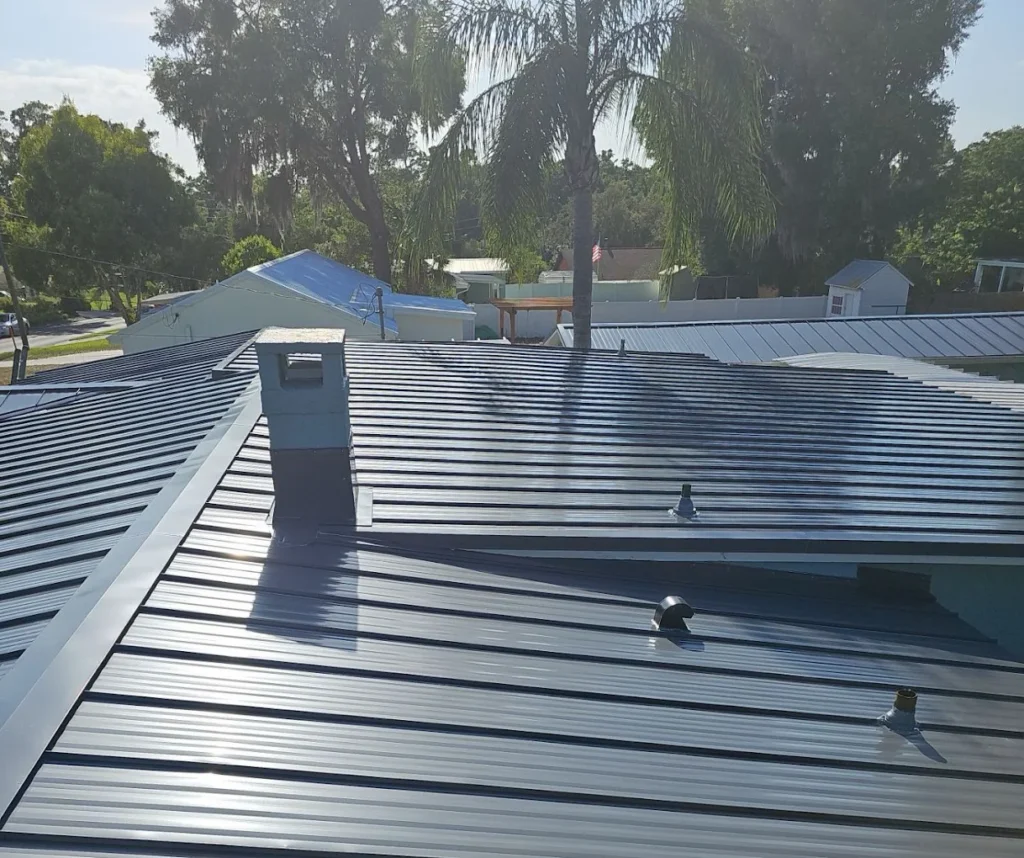
Metal roofs are one of the most popular energy-efficient options due to their reflective properties.
Benefits:
- Reflects solar heat, reducing cooling costs by up to 40%
- Long lifespan (40–80 years)
- Made from recyclable materials
✅ Best for: Durability + long-term savings
3. Clay and Concrete Tile Roofing
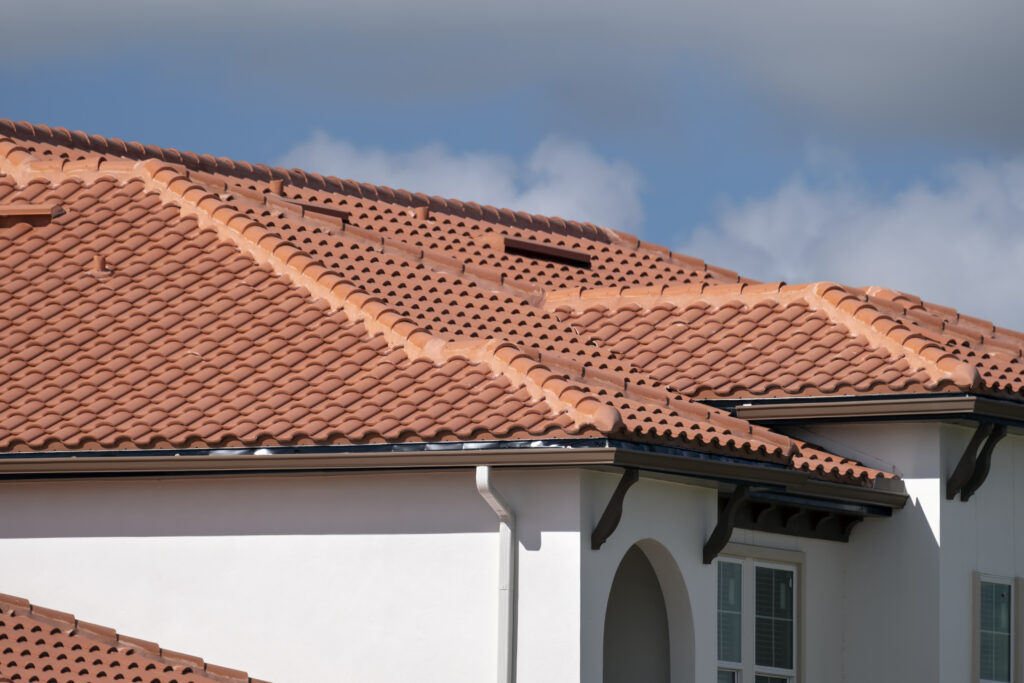
Tile roofs naturally provide insulation thanks to their design and material.
Benefits:
- Natural airflow reduces heat transfer
- Extremely durable (50+ years lifespan)
- Ideal for hot climates
✅ Best for: Homes in warm, sunny regions
4. Energy-Efficient (Cool) Asphalt Shingles
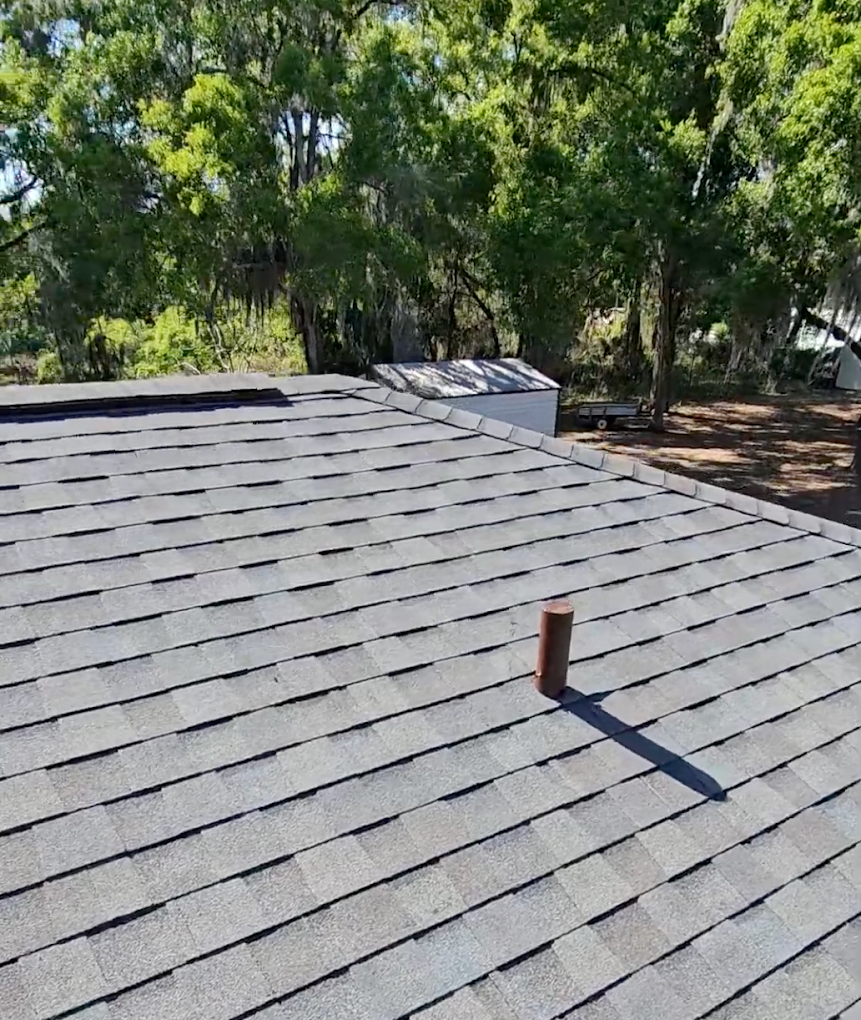
Not all asphalt shingles are energy-efficient—but “cool shingles” are designed with reflective granules.
Benefits:
- More affordable than other options
- Reflects sunlight better than traditional shingles
- Widely available and easy to install
✅ Best for: Budget-friendly upgrades
5. Solar Shingles (Solar Roofing)
Solar shingles take energy efficiency to the next level by generating electricity from sunlight.
Benefits:
- Can reduce energy costs by up to 70%
- Combines roofing and solar power in one system
- Increases property value
Considerations:
- Higher upfront cost
- Requires proper sun exposure
✅ Best for: Long-term energy savings and sustainability
6. Green Roofs (Vegetative Roofing)
Green roofs use plants and vegetation to create a natural insulating layer.
Benefits:
- Reduces heat absorption
- Improves insulation and air quality
- Helps manage rainwater runoff
Considerations:
- Higher installation and maintenance costs
- Requires structural support
✅ Best for: Eco-conscious homeowners or commercial buildings
Key Factors to Consider When Choosing
When selecting an energy-efficient roof, consider:
1. Climate
- Hot climates benefit most from reflective materials
- Cooler climates may prioritize insulation
2. Budget
- Asphalt shingles: most affordable
- Metal/tile: mid to high range
- Solar: highest upfront cost
3. Roof Design
- Flat roofs: coatings or membranes work best
- Sloped roofs: shingles, tiles, or metal
4. Long-Term Savings
Higher upfront costs often lead to greater energy savings over time
Energy-Efficient Upgrades Beyond Materials
Even the best roofing material won’t perform well without proper support systems:
- Insulation: Keeps indoor temperatures stable
- Ventilation: Prevents heat buildup in the attic
- Reflective coatings: Boost efficiency of existing roofs
These factors are just as important as the material itself
Final Thoughts
An energy-efficient roof is more than just a home upgrade—it’s a long-term investment in comfort, savings, and sustainability. Whether you choose cool roofing, metal, tile, or solar shingles, the right option depends on your climate, budget, and goals.
By upgrading to an energy-efficient roofing system during your roof replacement, you can reduce energy costs, extend your roof’s lifespan, and make your home more environmentally friendly for years to come.