TPO Roofing
- Home
- TPO Roofing
Quick Jump
Get a hassle Free Inspection
Expert TPO Roofing Installation & Repair
Vedder Roofing delivers certified Thermoplastic Polyolefin roofing solutions that cut energy costs, withstand the elements, and last for decades. We serve commercial and industrial clients across the region.
What is TPO Roofing?
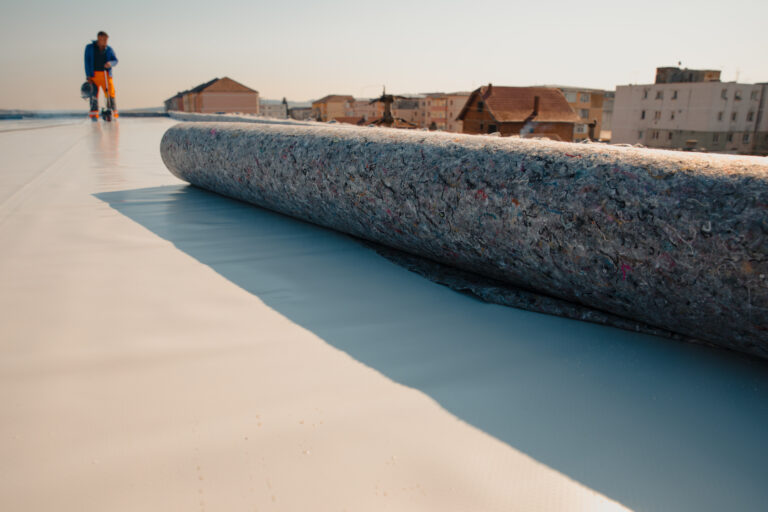
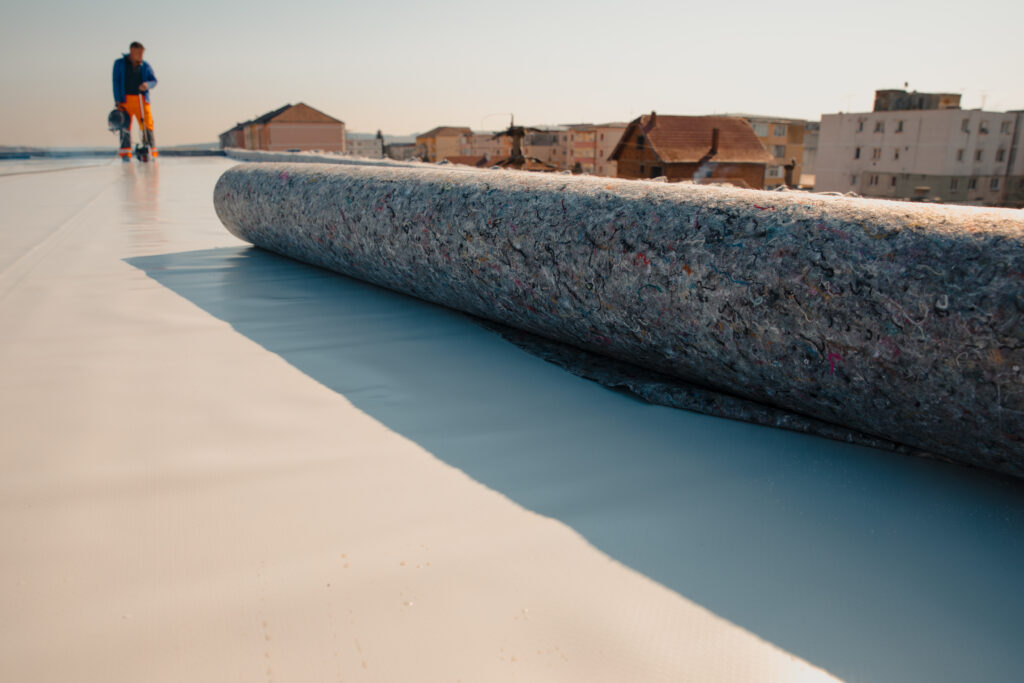
Thermoplastic Polyolefin (TPO) is a single-ply roofing membrane engineered for flat and low-slope commercial roofs. It consists of a thermoplastic compound reinforced with polyester scrim, producing a flexible, lightweight, and highly durable sheet.
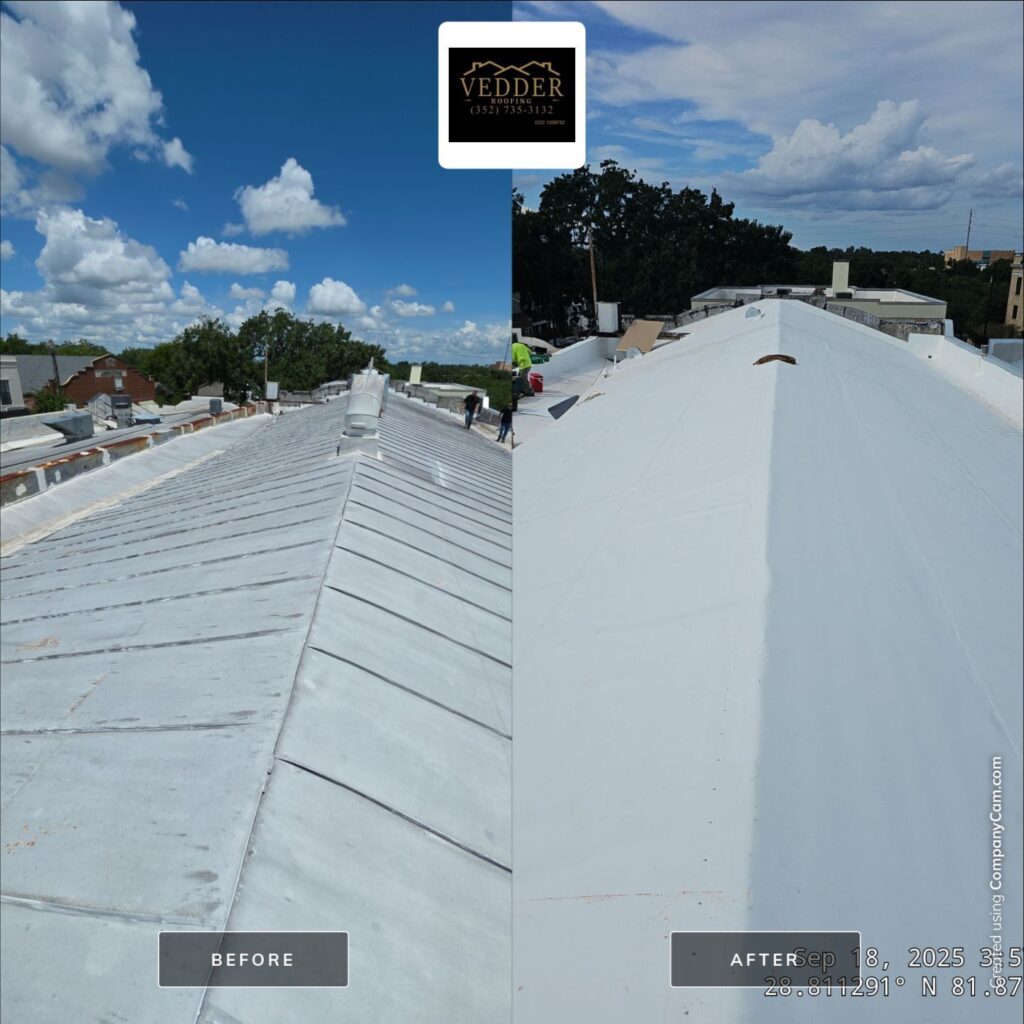
The distinctive white surface reflects solar radiation instead of absorbing it, reducing rooftop temperatures significantly. This directly lowers HVAC loads and can cut cooling costs by up to 30% in warm climates — a major advantage for warehouse, retail, and office buildings.
At Vedder Roofing, we install TPO membranes using hot-air welding at all seams, creating bonds that are actually stronger than the membrane itself. The result is a monolithic, watertight surface that stands up to extreme weather, ponding water, and UV degradation.
Why Choose TPO Roofing
Energy Star Reflectivity
TPO’s white surface reflects up to 87% of solar radiation, reducing heat gain and lowering cooling bills substantially compared to dark-coloured membranes.
Superior Seam Strength
Heat-welded seams achieve weld strengths of up to 400 lbs per linear inch — far exceeding the adhesive-bonded seams of older membrane systems like EPDM.
Long Service Life
A professionally installed TPO roof lasts 15 to 30 years. Thicker membranes (80–90 mil) and proper maintenance push performance toward the top of that range.
Cost-Effective Investment
Lower material costs than PVC membranes, faster installation reducing labour time, and energy savings that deliver measurable ROI within the first few years
Flexible Installation Methods
TPO can be mechanically fastened, fully adhered with adhesive, or ballasted — allowing the right method for your building structure, climate, and budget.
Chemical & Puncture Resistance
TPO withstands grease, oils, UV radiation, and ozone exposure — ideal for restaurants, industrial facilities, and rooftops with HVAC equipment penetrations.
Our TPO Roofing Services
New TPO Roof Installation
Full-system installation on new construction or complete tear-off replacements. We spec the right membrane thickness, attachment method, and insulation for your building and climate.
TPO Roof Repair
Targeted repairs for punctures, seam failures, flashing separations, and storm damage. We diagnose the root cause and fix it properly — not just the symptom.
TPO Re-Roofing & Overlay
When your existing roof is structurally sound but the membrane has reached end of life, a TPO overlay avoids costly tear-off and reduces landfill waste significantly.
Maintenance Plans
Scheduled bi-annual inspections and preventative maintenance that catch small issues before they become expensive failures. Plans include written condition reports after each visit.
TPO Restoration Coating
Extend the life of an aging TPO membrane with a compatible elastomeric coating system. A cost-effective alternative to full replacement when the substrate is still intact.
Ready to Protect Your Building?
Get a free, no-obligation TPO roofing quote from Vedder Roofing. Our experts will assess your roof and recommend the best system for your budget and climate.
Our Customer Testimonials

 Billy Thompson
Trustindex verifies that the original source of the review is Google.
The Vedder team was great to work With from start to finish. These folks were professional, thorough, kind, and great with their communication. They handled three large shingle roofs on a commercial property. Definitely enjoyed working with them and will invite them to bid on more roofs in the future. It took me some time to get approvals so they came out ahead of time and did some repair triage work to get us until we were ready for the job to be completely handled. Thank you David. Thank you Dan. Billy MacKenzieVery personable and helpful company and employees. Everyone I spoke with was very polite and friendly. I felt very secure and confident during the whole process from start to finish which is a very important thing when you’re probably in a very vulnerable state if you’re needing their services in the first place. They reassured me the whole time and kept reminding me that they would take care of me and I didn’t have anything to worry about. I would recommend this company to everyone! Hands down one of the best experiences as a new home owner, exceptional service! Thank you Vedder roofing!
 IsmaelI highly recommend Vedder Roofing and I will forever be grateful to my friend for recommending Vedder Roofing to me. Dan Vedder is extremely knowledgeable, honest , forthright and focused on quality workmanship. His work crew was exceptional; they installed my new roof in a day and it looks beautiful. If you are looking for a roofing company that is family owned and that values integrity, customer satisfaction and quality work, Vedder Roofing is the best company for you.
 Tommy BriguglioVedder Roofing was very transparent, honest, and patient throughout the whole insurance process. Once we got to the point of scheduling the complete reroof, that process was just a simple. The crew was very mindful of our outdoor personal items, and kept the area clean and free of nails. The same day they started, they were done by dinnertime. I would highly recommend their roofing services.
 Sara MurrayWould definitely use again!
 Cindy SarroVedder construction completed a double deck, family room plus new roof on our house. We could not be happier. David Vedder and his crew were amazing. Most important project came in as estimated. I would use the again.
 Neal & Sandy HartmanVery personable. Work always done on time. We are very happy with Vedder Construction.
 john mcmannNew Roof and gutter installation went smoothly. They did a GOOD job!
 Stu JuengstMy old 2-car garage had lots of termite damage and was poorly constructed in the first place. Vedder replaced it with a new hurricane-safe garage. They completed it on time and on budget. They were also a pleasure to work with. I'm a happy customer!
TPO Roofing FAQs
What is TPO roofing?
TPO (Thermoplastic Polyolefin) roofing is a single-ply roofing membrane commonly used on commercial and flat roofs. It is known for its energy efficiency, durability, and resistance to UV rays and weather damage.
What types of buildings are best suited for TPO roofing?
TPO roofing is ideal for commercial buildings, warehouses, office buildings, retail spaces, and residential properties with flat or low-slope roofs.
Why is TPO roofing popular?
TPO roofing is popular because it is cost-effective, energy-efficient, durable, and designed to withstand heat, UV exposure, and harsh weather conditions
What is included in a TPO roofing installation?
Installation typically includes roof inspection, insulation placement, membrane installation, heat-welded seams, flashing installation, drainage setup, and final inspection
Can TPO roofing be installed over an existing roof?
In some cases, yes. A professional inspection is needed to determine whether the existing roof structure can support an overlay system.