When it’s time to replace a roof, one question comes up in almost every homeowner conversation: is asphalt shingle roofing actually worth it? With so many roofing materials on the market — metal, tile, slate, wood shake, synthetic — it’s a fair question. Asphalt shingles have dominated the residential roofing market in North America for decades, but popularity alone doesn’t answer the value question.
The short answer is yes — for most homeowners, in most climates, asphalt shingle roofing delivers an excellent combination of performance, protection, longevity, and cost that competing materials struggle to match at the same price point. Here’s the longer answer, broken down across the factors that matter most.
“Very personable and helpful company and employees. Everyone I spoke with was very polite and friendly. I felt very secure and confident during the whole process from start to finish which is a very important thing when you’re probably in a very vulnerable state if you’re needing their services in the first place. They reassured me the whole time and kept reminding me that they would take care of me and I didn’t have anything to worry about. I would recommend this company to everyone! Hands down one of the best experiences as a new home owner, exceptional service! Thank you Vedder roofing!”
– Real Google Review by MacKenzie
Let’s start with the number that drives most roofing decisions: price. Asphalt shingles are significantly less expensive than most competing materials, both in material cost and installation labor.
A professionally installed asphalt shingle roof typically costs between $4 and $12 per square foot depending on the shingle tier (three-tab, architectural, or luxury), the complexity of the roof, regional labor rates, and the contractor selected. By comparison:
Metal roofing generally runs $10 to $25 per square foot installed
Clay or concrete tile ranges from $15 to $30 or more per square foot
Natural slate can reach $25 to $50 per square foot or higher
Cedar shake typically falls between $12 and $20 per square foot
For an average 2,000-square-foot home with a moderately pitched roof, the savings from choosing architectural asphalt shingles over a metal or tile alternative can easily reach $15,000 to $30,000 or more. That’s a meaningful financial difference that directly affects what a homeowner can afford to do with the rest of their budget.
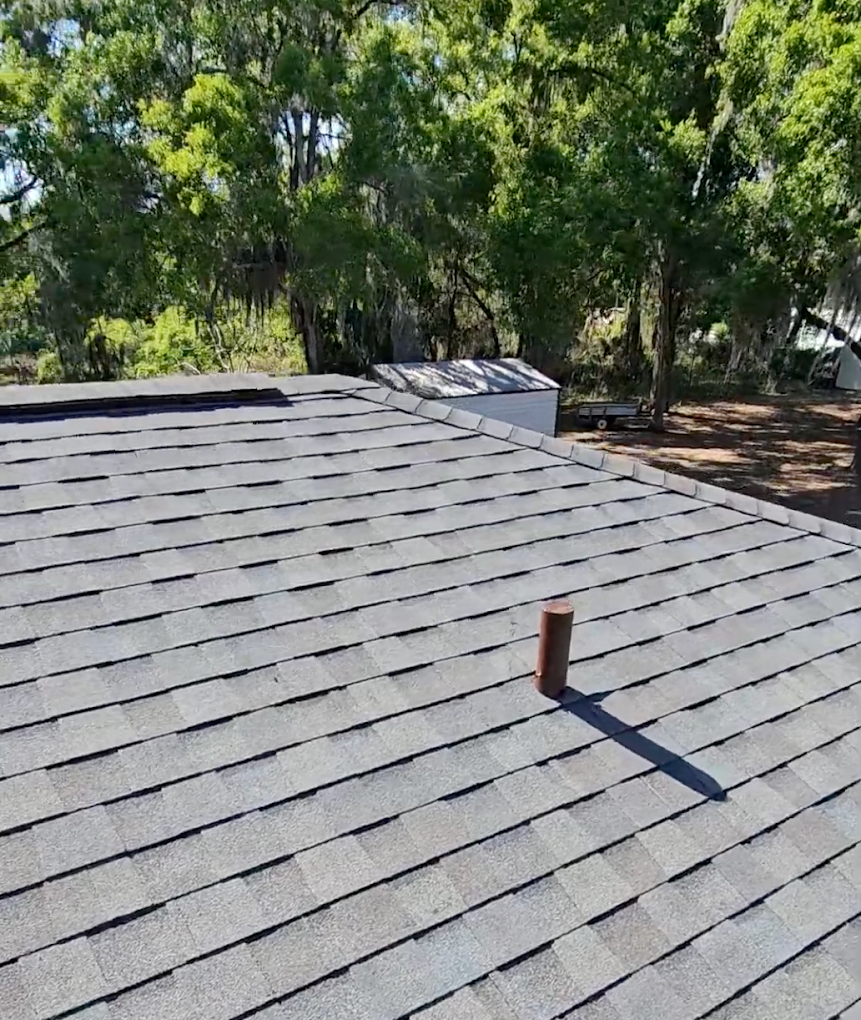
Wind resistance: Modern architectural and luxury shingles are rated for winds of 110 to 150 miles per hour. Many carry Class H wind resistance ratings and are engineered with enhanced adhesive strips that lock tabs down under high wind loads. This makes them appropriate for all but the most extreme wind environments.
Impact resistance: Class 4 impact-resistant shingles — the highest rating available — are now available across multiple architectural and luxury shingle lines. In hail-prone regions, Class 4 shingles provide meaningful protection against storm damage and often qualify for homeowner’s insurance premium discounts that partially offset the shingle upgrade cost.
Water resistance: Asphalt shingles are inherently water-resistant by design. When paired with quality underlayment, proper flashing at penetrations and valleys, and adequate attic ventilation, a well-installed asphalt roof sheds water effectively for its full rated lifespan.
Snow and ice: With a steep enough pitch and proper ice-and-water shield installation in vulnerable areas like eaves and valleys, asphalt shingles perform reliably in cold climates where freeze-thaw cycling is a seasonal reality.
The one climate category where asphalt shingles face legitimate challenges is extreme heat combined with intense UV exposure — such as in desert Southwest climates. Prolonged high temperatures can accelerate granule loss and asphalt degradation, which is why roofing professionals in those regions often favor tile or metal for their superior thermal performance. Outside of that specific climate profile, asphalt shingles are well-suited for the vast majority of North American homes.
To give a complete picture, it’s worth acknowledging the conditions under which asphalt shingles underperform relative to alternative materials.
Extreme climates: As noted, prolonged intense heat and UV exposure accelerates shingle deterioration faster than moderate climates. Homeowners in the desert Southwest or tropical regions may see better long-term value from tile or metal.
Very low-slope roofs: Asphalt shingles require a minimum roof pitch (typically 2:12 or greater) to shed water properly. Very low-slope applications require alternative roofing systems designed for that geometry.
Desire for maximum longevity: If the goal is a roof that genuinely lasts 50 to 75 years or more with minimal intervention, metal or slate offers longer service lives — at proportionally higher upfront costs.
HOA or aesthetic restrictions: Some neighborhoods or historic districts restrict roofing materials to tile, slate, or specific profiles. In those cases, the material decision may be out of the homeowner’s hands regardless of preference.
For the vast majority of homes outside these specific scenarios, none of these factors applies — which is precisely why asphalt shingles command such a dominant share of the residential roofing market.
The key is making the right decisions within the asphalt shingle category: choosing an architectural or luxury product over bargain three-tab shingles, hiring a qualified contractor who installs to manufacturer specifications, ensuring proper attic ventilation, and investing in quality underlayment and flashing details.
A quality asphalt shingle roof installed correctly is one of the best investments a homeowner can make in the long-term integrity and value of their property.
If you’re weighing your roofing options, talk with a trusted local roofing contractor who can evaluate your specific home, climate, and goals and help you identify the right product and system for your situation. The right roof isn’t always the most expensive one — it’s the one that delivers the best performance and value for your specific set of needs.