archive blog

When to Call a Professional for Emergency Roof Tarping

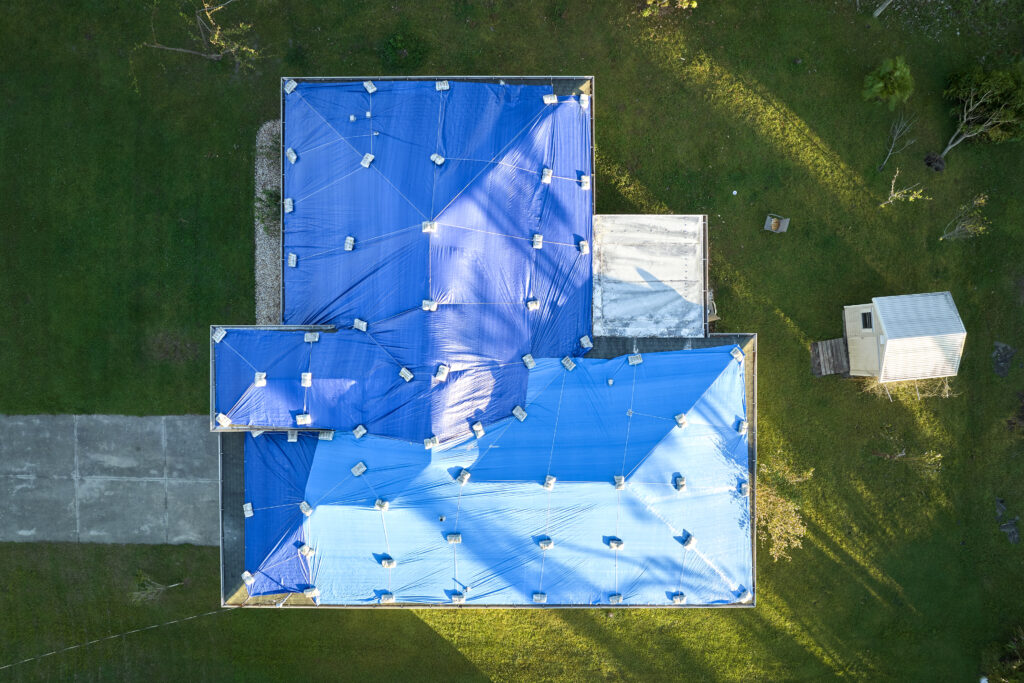
A damaged roof can quickly turn into a major problem, especially in areas prone to storms, heavy rain, or hurricanes—like Florida. Emergency roof tarping is a temporary solution that protects your home from further water damage until proper repairs can be made. While some homeowners attempt DIY tarping, calling a professional roofing contractor ensures the job is done safely, effectively, and with long-term protection in mind.


Here’s what you need to know about when to call a professional for emergency roof tarping.
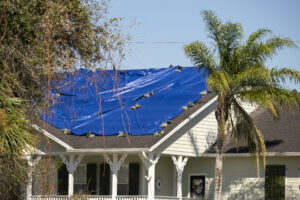
emergency tarping mount dora

“What an excellent experience top to bottom. Dan is incredible and provided top level service from beginning to end. They worked through a renovation loan process that required some extra hoops to jump through and they handled it with ease.

Best part is their pricing for a metal roof was incredible!

Pick Vedder Roofing!!”

– Real Google Review by Michael D.

1. After a Severe Storm or Hurricane

Severe weather is the most common reason for roof damage. High winds, falling tree branches, hail, or flying debris can cause:

  • Missing or lifted shingles
  • Holes or punctures in the roof
  • Structural damage to the roof deck


Why call a professional:

  • Professionals can safely access damaged areas without risking injury.
  • They know how to properly secure a tarp to prevent leaks.
  • They can assess whether temporary tarping is enough or if more extensive repairs are required.


2. When You Notice Active Water Leaks

If you see water dripping into your home, a roof tarp can prevent further damage to ceilings, walls, insulation, and personal belongings.


Signs you may need emergency tarping:

  • Water stains or pooling inside the home
  • Wet or sagging ceilings
  • Mold or mildew forming after a storm


Professional advantage:

  • Roofers can quickly locate the source of leaks, even in hidden areas.
  • A properly installed tarp can direct water away from vulnerable areas until permanent repairs.


3. If Your Roof is Structurally Compromised

Damage to the roof deck, framing, or trusses requires immediate attention. Attempting DIY tarping on an unstable roof can be extremely dangerous.


Professional advantage:

  • They have the equipment and experience to safely navigate compromised structures.
  • They can stabilize the roof if necessary before applying a tarp.


4. When Damage is Extensive or Hard to Reach

Some roofs have steep pitches, multiple levels, or complex layouts that make DIY tarping difficult.

  • Multi-level homes
  • Roofs with skylights, chimneys, or solar panels
  • Very high roofs


Professional advantage:

  • Roofing contractors use scaffolding, ladders, and safety harnesses to access tricky areas.
  • Properly installed tarps prevent shifting or tearing in strong winds.


5. To Protect Insurance Claims

Insurance companies often require documentation of damage before issuing claims.


Professional advantage:

  • Licensed roofers can document damage and tarping work with photos.
  • Proper temporary protection prevents further damage that could affect claim approval.


6. When DIY Tarping Could Make Damage Worse

Incorrectly applied tarps can:

  • Trap water or debris
  • Damage shingles or roofing materials further
  • Blow away in high winds, leaving the home exposed


Professional advantage:

  • They know the best tarp placement and securing methods.
  • They ensure the home is protected until permanent repairs can be made.
emergency tarping

Tips While Waiting for Professionals

If you must wait for a roofing contractor:

  • Move furniture, electronics, and valuables away from leak areas.
  • Use buckets or containers to catch water temporarily.
  • Avoid walking on the damaged roof to prevent injury.
  • Keep emergency numbers handy for roofing services and insurance providers.


Final Thoughts

Emergency roof tarping is a critical temporary solution for protecting your home from water damage after storms, leaks, or structural compromise. While DIY tarping may be tempting, a professional roofing contractor ensures the tarp is installed safely, securely, and effectively.