A leaking roof is never convenient — but when it happens suddenly during a storm or late at night, it becomes an emergency. In Sumter, heavy rains, high winds, and hurricane season can quickly turn a small roofing issue into serious water damage.
If you’re dealing with an active leak, here’s what you need to know — and how emergency roof leak repair can protect your home.
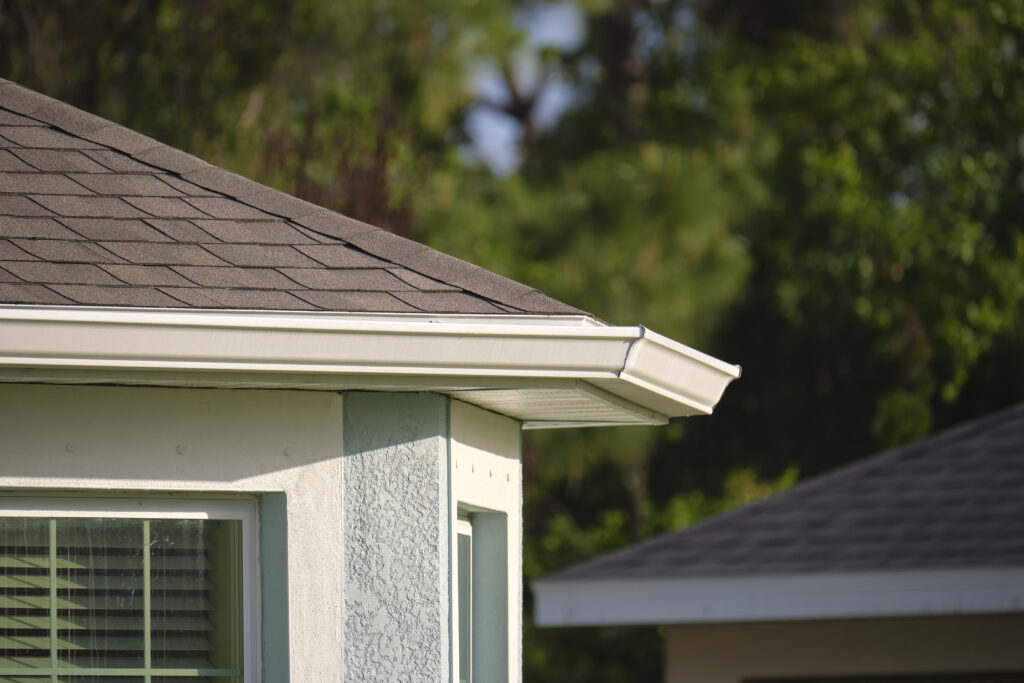
Florida’s weather is tough on roofs. In Sumter County, common causes of emergency roof leaks include:
Even a small opening in your roof can allow water to seep into your attic, insulation, ceilings, and walls.
“The Vedder team was great to work With from start to finish. These folks were professional, thorough, kind, and great with their communication. They handled three large shingle roofs on a commercial property. Definitely enjoyed working with them and will invite them to bid on more roofs in the future.
It took me some time to get approvals so they came out ahead of time and did some repair triage work to get us until we were ready for the job to be completely handled.
Thank you David.
Thank you Dan.”
– Real Google Review by Billy T.
Some roof leaks are obvious — like water actively dripping from the ceiling during a storm. Others develop slowly and show subtle warning signs that homeowners often overlook until the damage becomes serious.
If you live in Sumter where heavy rain and wind are common, it’s especially important to watch for early indicators of roof trouble.
Brown, yellow, or dark stains on ceilings or along walls are one of the most common signs of a leak. These stains may grow larger after rainfall and can appear far from the actual source of the leak, since water travels along rafters and framing before dripping down.
If you notice active dripping during heavy rain, the roofing system has already been compromised. Even small, occasional drips should be addressed immediately to prevent structural damage.
Moisture trapped behind walls can cause paint to bubble, blister, or peel. This often happens before visible water stains appear and may indicate slow, ongoing water intrusion.
A damp, musty smell in your attic or upper rooms may signal hidden moisture buildup. Roof leaks can create the perfect environment for mold and mildew growth — sometimes within just 24–48 hours.
After storms or strong winds, inspect your roof from the ground. Shingles that are missing, curling, cracked, or lifted can allow water to seep beneath the surface and into your home.
If your ceiling appears to be sagging or bulging, water may be pooling above it. This is a serious warning sign that requires immediate attention, as the ceiling could collapse if the weight increases.
Visible mold on ceilings, in corners, or inside the attic can be linked to a slow roof leak. Mold not only damages your home but can also affect indoor air quality and your family’s health.
If you notice any of these warning signs, it’s important to act fast. Roof leaks rarely fix themselves — and the longer water sits, the more expensive the damage becomes. Prompt professional inspection and repair can prevent structural issues, mold growth, and costly interior restoration.
If you suspect a roof leak in your Sumter home, acting quickly can significantly reduce the amount of damage. While you should never attempt major repairs yourself, there are important steps you can take to protect your home until a professional arrives.
Move furniture, electronics, rugs, and valuables away from the affected area as soon as possible. Water can spread quickly across ceilings and down walls.
Place buckets, trash cans, or storage bins under active drips to collect water. If the leak is splashing, place a towel in the bottom of the container to reduce splatter.
If you notice a bulge or bubble forming in the ceiling, water is pooling above the drywall. This can cause a sudden and messy collapse if left untreated.
Carefully place a bucket underneath the bulge and use a small screwdriver or sharp object to puncture the lowest point. Allow the trapped water to drain in a controlled way. This simple step can prevent widespread ceiling damage.
Lay down towels, old blankets, or plastic sheeting to protect flooring. If water is traveling along walls, wipe it down to reduce staining and prevent moisture from soaking into baseboards and trim.
If possible, turn on fans to improve air circulation and help dry out the area.
If it’s safe and dry to access your attic, look for visible water entry points. You may be able to place a temporary container under the leak to catch water before it reaches the ceiling below.
Never enter the attic during an active storm if there is lightning or standing water near electrical wiring.
This is critical. Wet roofs are extremely slippery and dangerous — especially during storms or high winds. Attempting to patch the roof yourself can lead to serious injury or worsen the damage.
Leave roof inspections and repairs to trained professionals with proper safety equipment.
Contact a licensed roofing contractor immediately. Fast professional response can stop the leak, prevent further water intrusion, and minimize interior damage.
Emergency tarping or temporary protective measures can often be installed the same day to secure your home.
It’s tempting to wait until the weather clears or until your schedule opens up — but delaying repairs can dramatically increase the damage and cost.
Even a small leak can quickly lead to:
Water intrusion spreads quietly and aggressively. What starts as a minor shingle issue can escalate into a major repair — or even a full roof replacement — if ignored.
A small leak today can turn into thousands of dollars in damage tomorrow.
Acting quickly protects your home, your belongings, and your long-term investment.
The right repair depends on the age and condition of your roof.
While storms can’t be avoided, roof emergencies can often be prevented with:
Regular maintenance is far more affordable than emergency repairs.
If your roof is leaking right now — or you’ve noticed signs of water damage — don’t wait.
Professional emergency roof repair can stop the damage before it spreads and save you thousands in long-term repairs.
Call Vedder Roofing today for fast, reliable emergency roof leak repair in Sumter, FL.
Protect your home before the next storm hits.