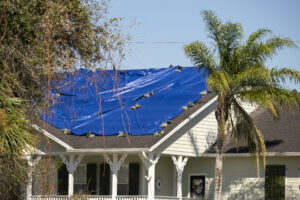
A damaged roof can quickly turn into a major problem, especially in areas prone to storms, heavy rain, or hurricanes—like Florida. Emergency roof tarping is a temporary solution that protects your home from further water damage until proper repairs can be made. While some homeowners attempt DIY tarping, calling a professional roofing contractor ensures the job is done safely, effectively, and with long-term protection in mind.
Here’s what you need to know about when to call a professional for emergency roof tarping.
“What an excellent experience top to bottom. Dan is incredible and provided top level service from beginning to end. They worked through a renovation loan process that required some extra hoops to jump through and they handled it with ease.
Best part is their pricing for a metal roof was incredible!
Pick Vedder Roofing!!”
– Real Google Review by Michael D.
Severe weather is the most common reason for roof damage. High winds, falling tree branches, hail, or flying debris can cause:
Why call a professional:
If you see water dripping into your home, a roof tarp can prevent further damage to ceilings, walls, insulation, and personal belongings.
Signs you may need emergency tarping:
Professional advantage:
Damage to the roof deck, framing, or trusses requires immediate attention. Attempting DIY tarping on an unstable roof can be extremely dangerous.
Professional advantage:
Some roofs have steep pitches, multiple levels, or complex layouts that make DIY tarping difficult.
Professional advantage:
Insurance companies often require documentation of damage before issuing claims.
Professional advantage:
Incorrectly applied tarps can:
Professional advantage:
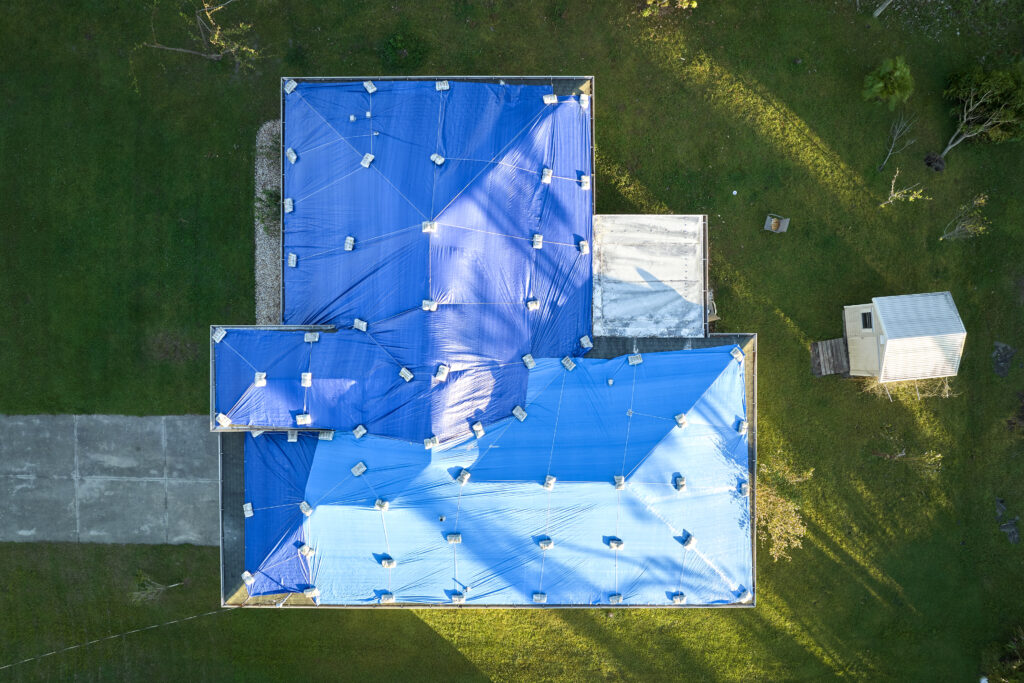
If you must wait for a roofing contractor:
Emergency roof tarping is a critical temporary solution for protecting your home from water damage after storms, leaks, or structural compromise. While DIY tarping may be tempting, a professional roofing contractor ensures the tarp is installed safely, securely, and effectively.