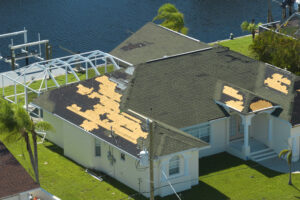
Regular roof inspections are essential for Florida homeowners because the state’s climate can be tough on roofing systems. Between heavy rain, strong winds, high humidity, and hurricane threats, catching roof problems early can save you from costly repairs.
This simple roof inspection checklist will help you identify potential issues before they become serious problems.
“I highly recommend Vedder Roofing and I will forever be grateful to my friend for recommending Vedder Roofing to me. Dan Vedder is extremely knowledgeable, honest , forthright and focused on quality workmanship. His work crew was exceptional; they installed my new roof in a day and it looks beautiful. If you are looking for a roofing company that is family owned and that values integrity, customer satisfaction and quality work, Vedder Roofing is the best company for you.”
– Real Google Review by Ismael
Start by looking at your roof’s surface.
Look for:
Shingle damage is common after storms or strong wind events in Florida. If you notice damage, schedule a professional inspection as soon as possible.
Roof problems are not always visible from the outside.
Check your home’s interior ceiling and attic for:
Water stains usually indicate that moisture has already entered the structure and needs immediate attention.
Roof flashing helps seal vulnerable areas around:
Damaged or loose flashing is a common cause of roof leaks in Florida homes. Make sure flashing is not rusted, bent, or separated from the roof surface.
Florida’s humidity creates an environment where mold and algae can grow on roofs.
While small amounts may seem harmless, excessive biological growth can:
Professional cleaning and treatment can help protect your roof.
Your roof’s drainage system is important during Florida’s rainy season.
Make sure to check:
Poor drainage can lead to structural damage if ignored.
Sagging roof sections are a serious warning sign.
If you notice any of the following, contact a roofing professional immediately:
Structural issues require urgent inspection and repair.
Florida experiences severe weather events that can damage roofs quickly.
After storms, check for:
Even if damage isn’t obvious, scheduling a professional roof inspection after major storms is recommended.
While homeowners can perform basic visual checks, professional roof inspectors have the tools and training to detect hidden problems.
Professional inspections are especially important if your roof is:
Hiring a licensed roofing contractor helps ensure accurate assessment and proper repairs.
Experts recommend inspecting your roof:
Regular maintenance can significantly extend your roof’s lifespan.
Your roof is one of the most important protective systems of your home. In Florida, where weather conditions can be unpredictable, proactive roof care is essential.
If you notice any warning signs of damage or want a professional evaluation, contacting a trusted roofing contractor can help keep your home safe and secure.